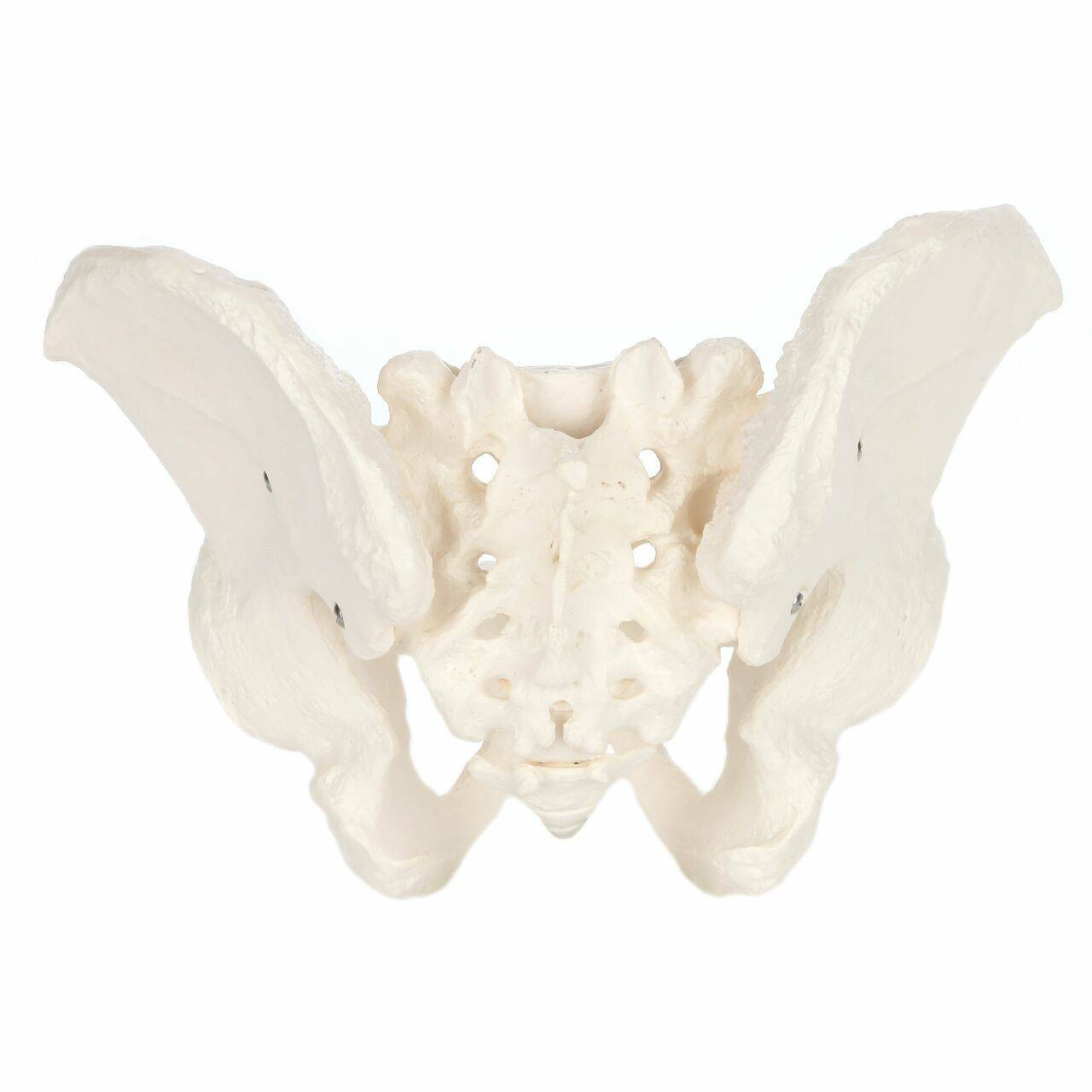
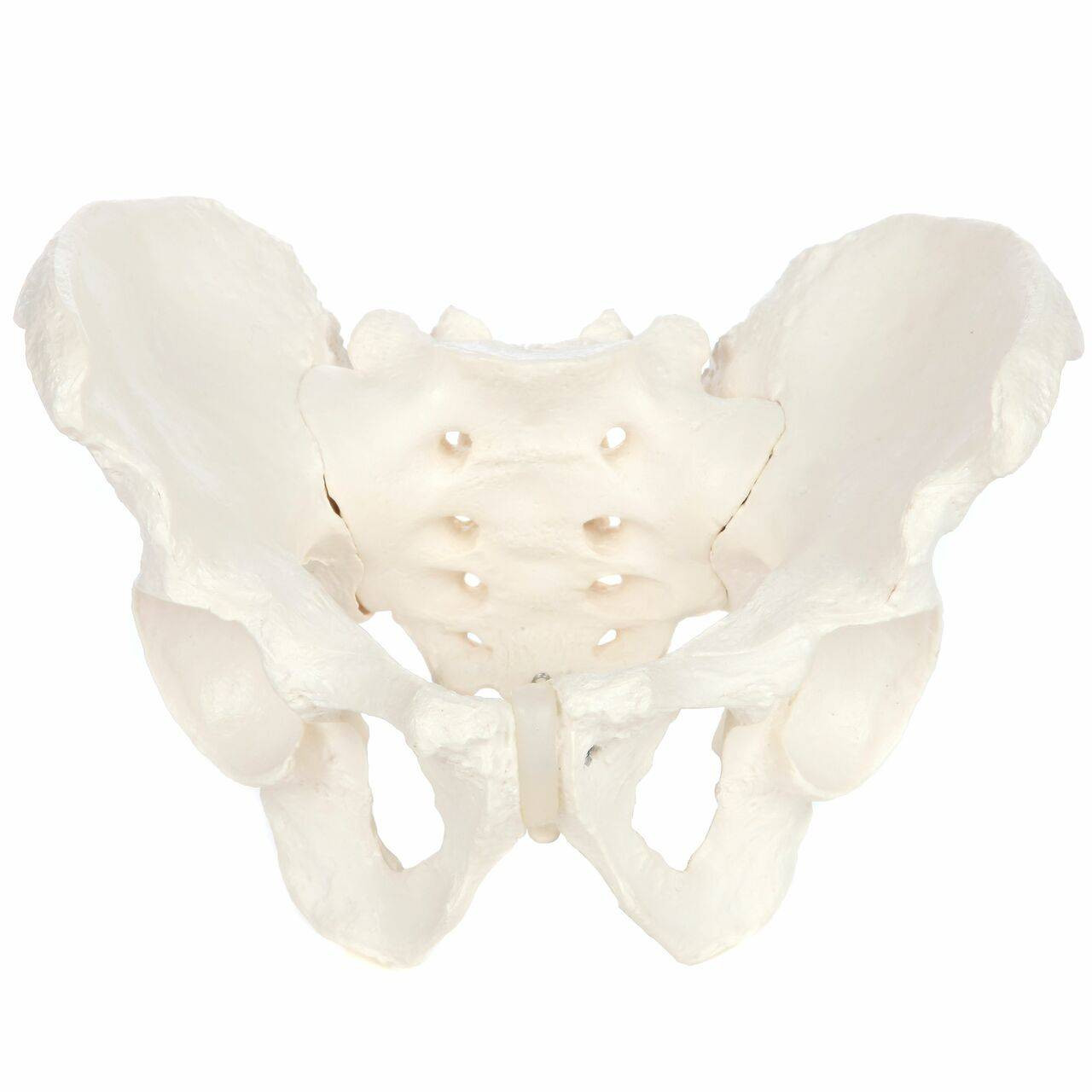
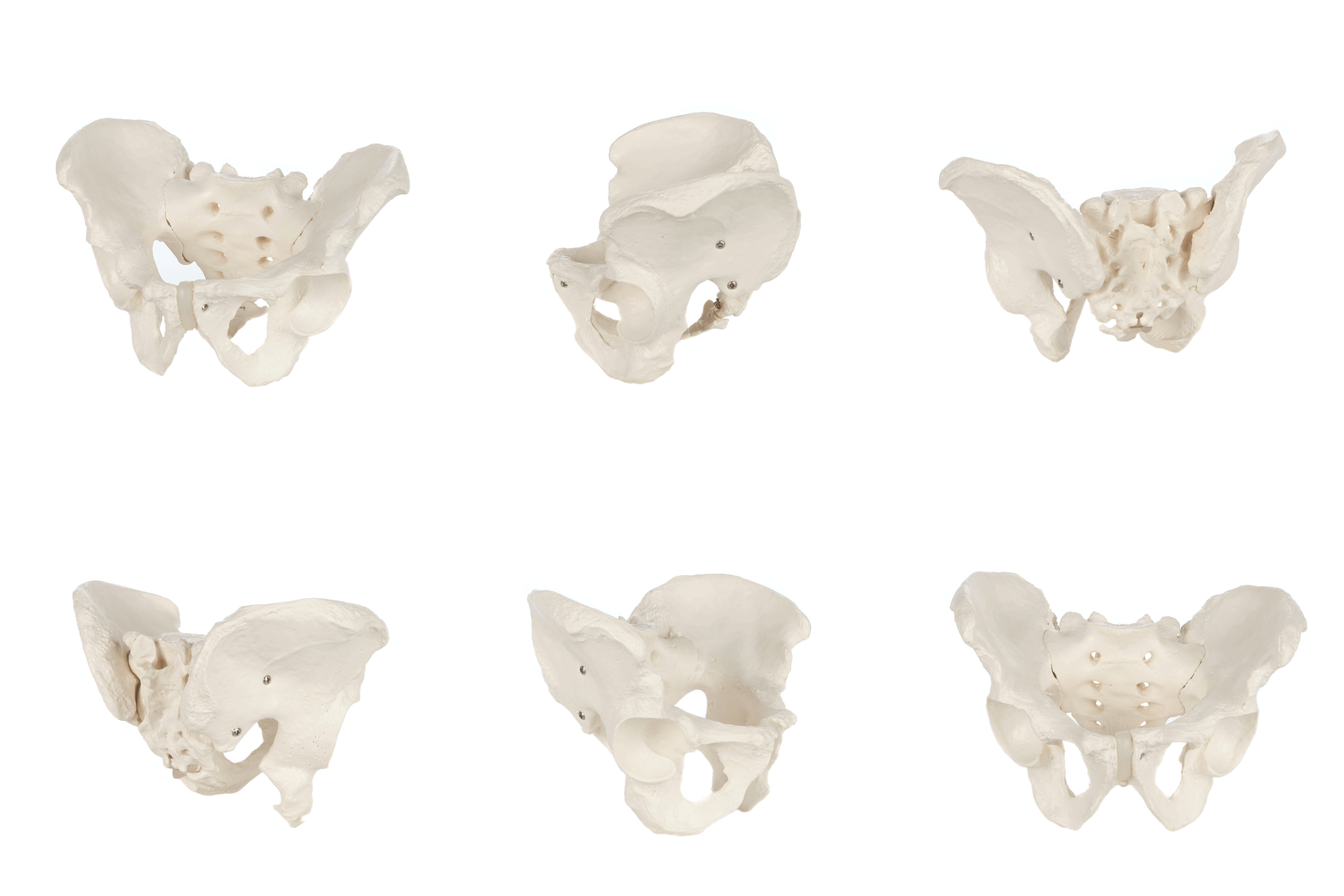
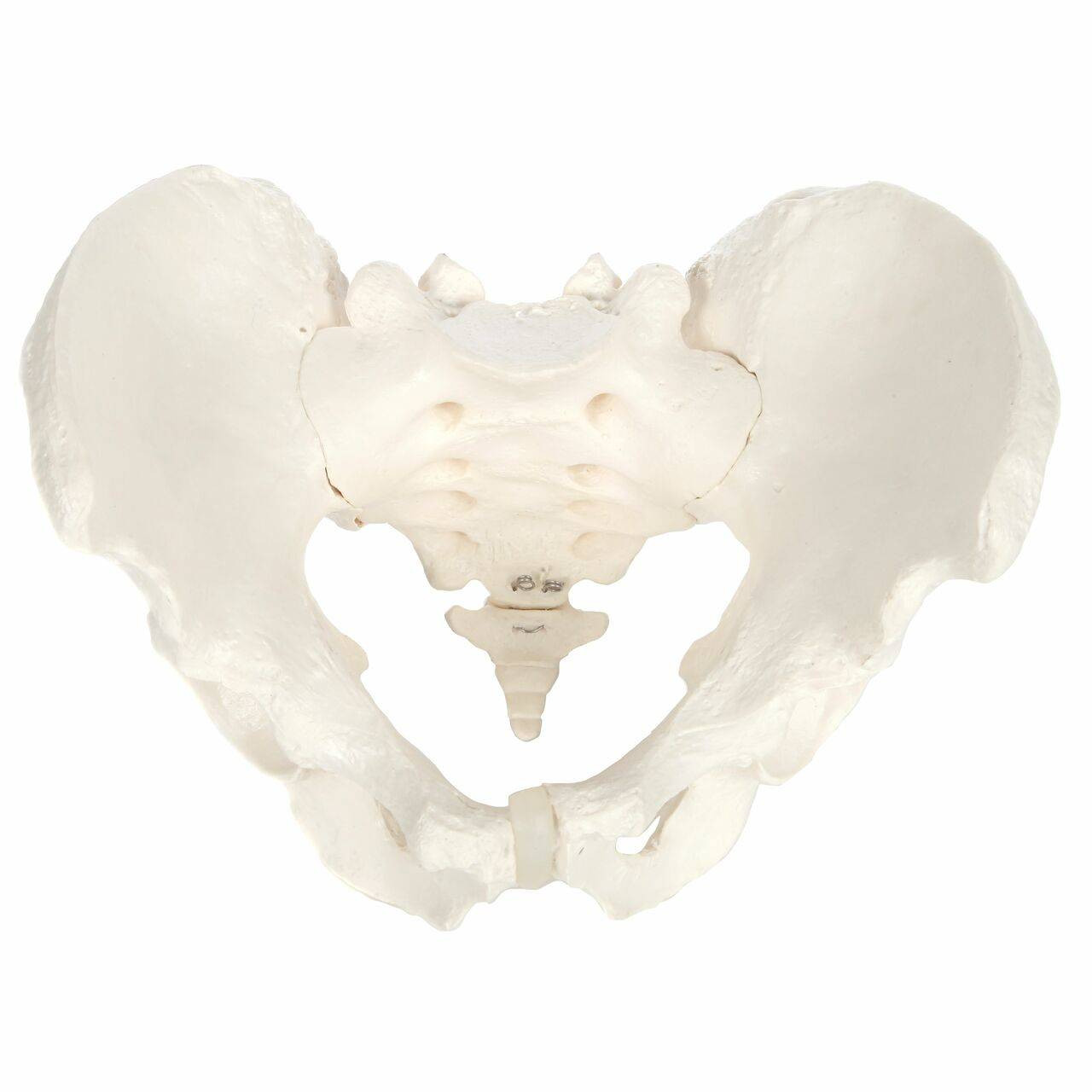
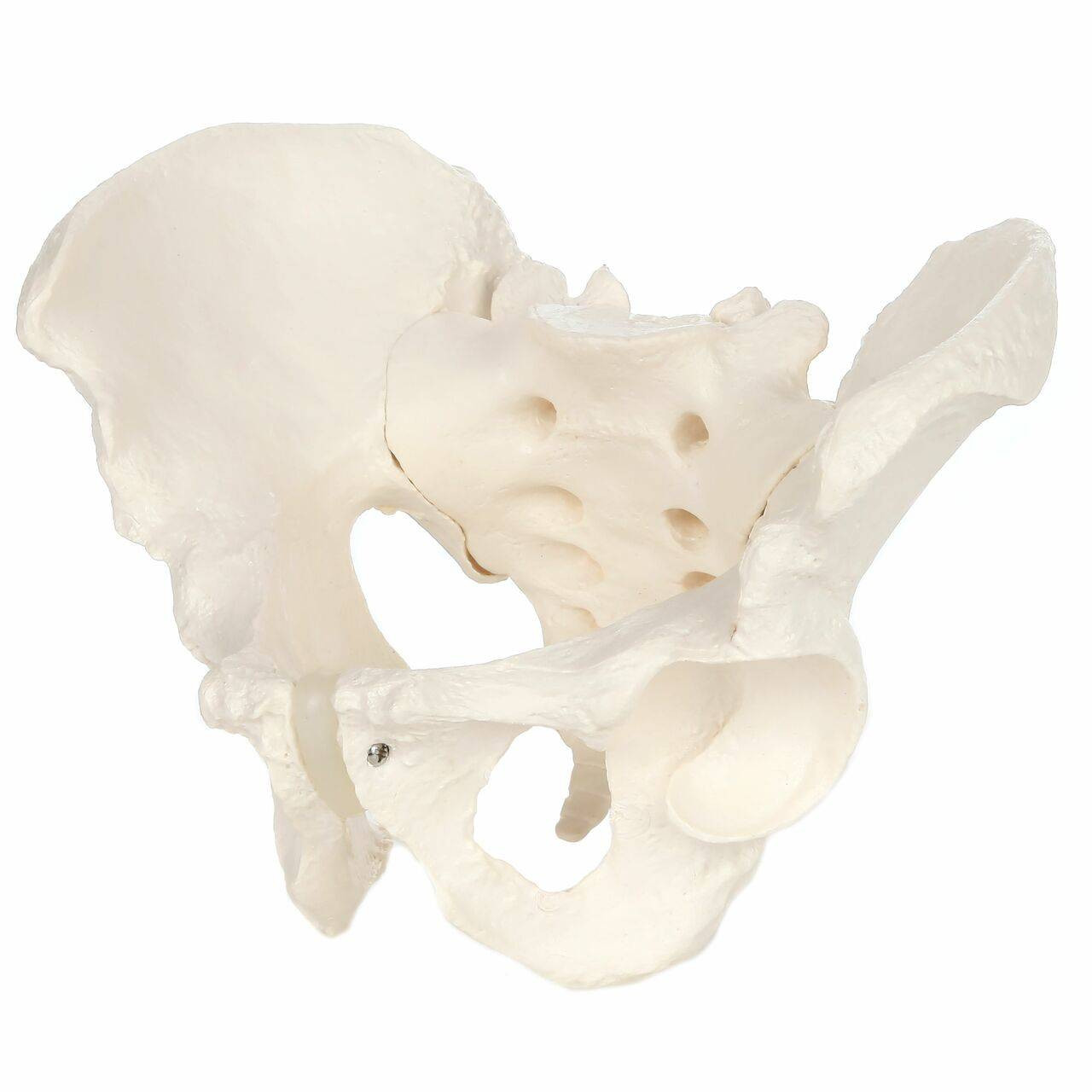
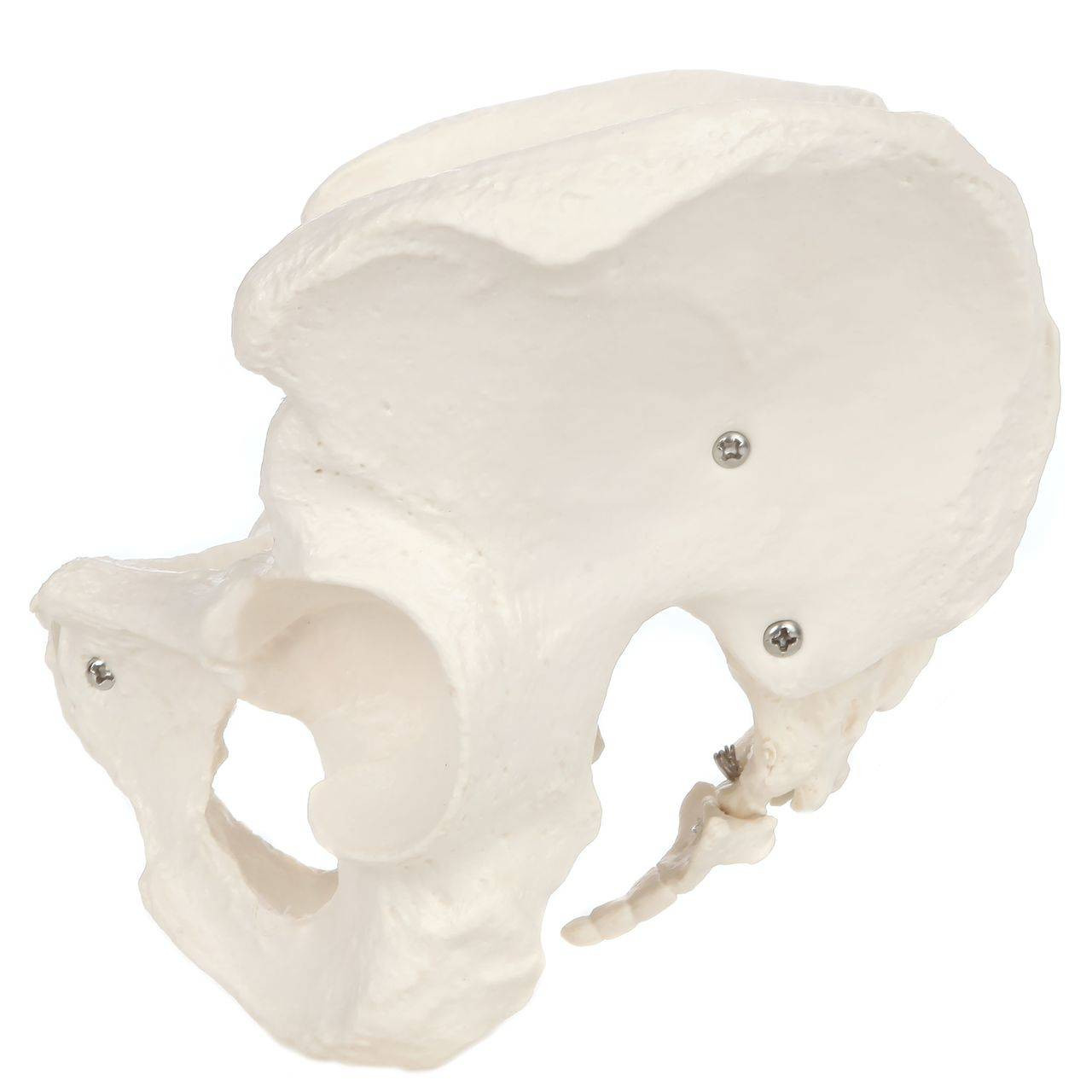
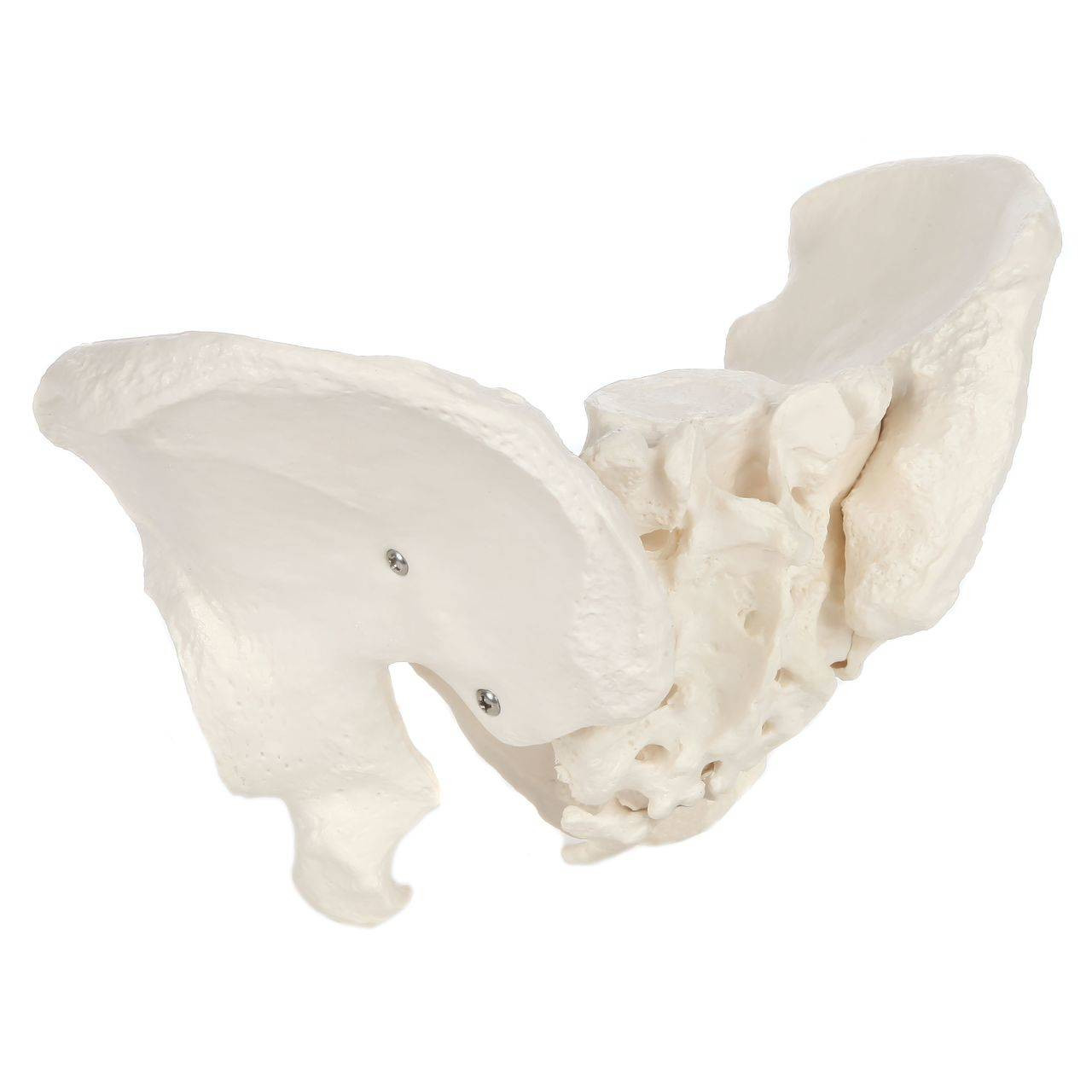
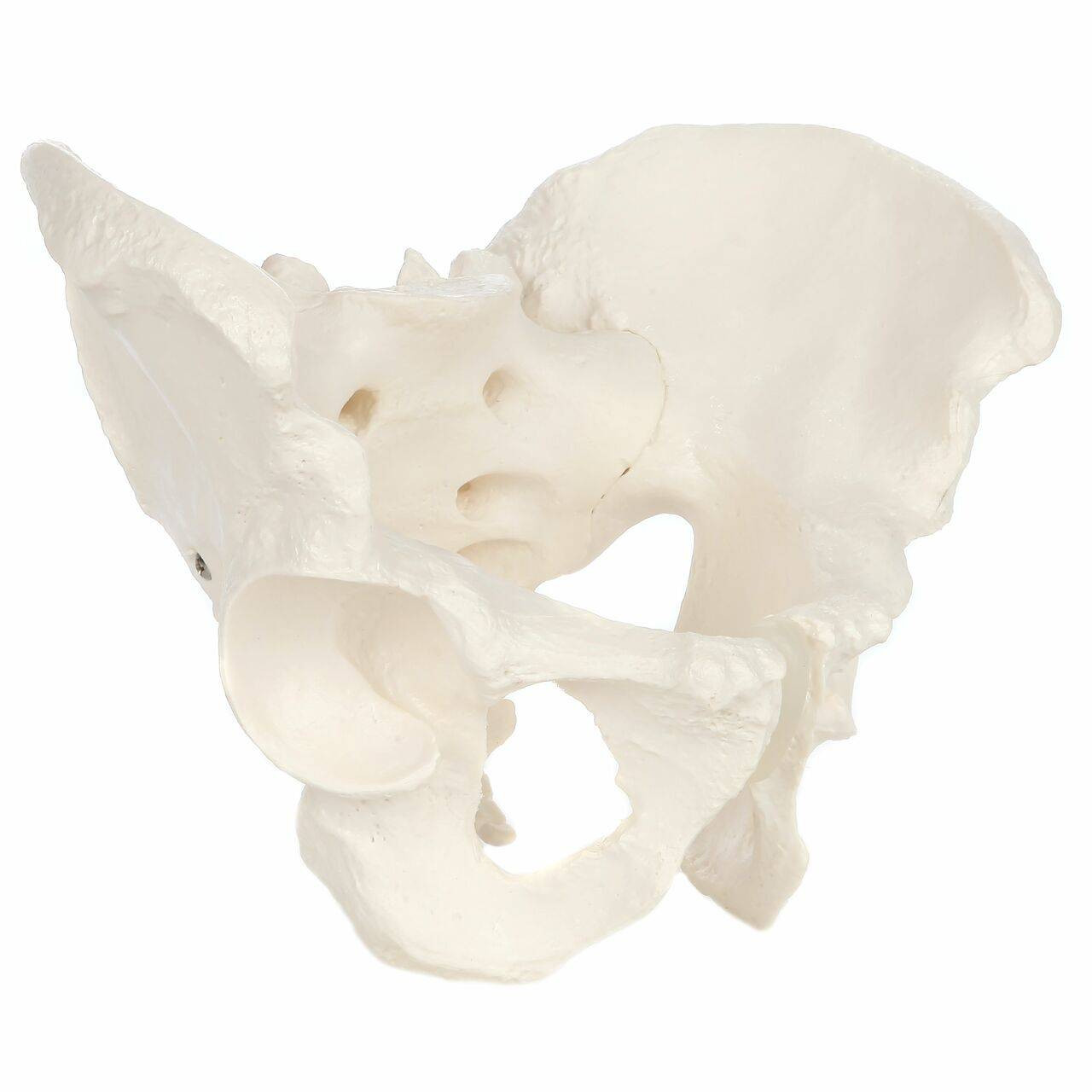
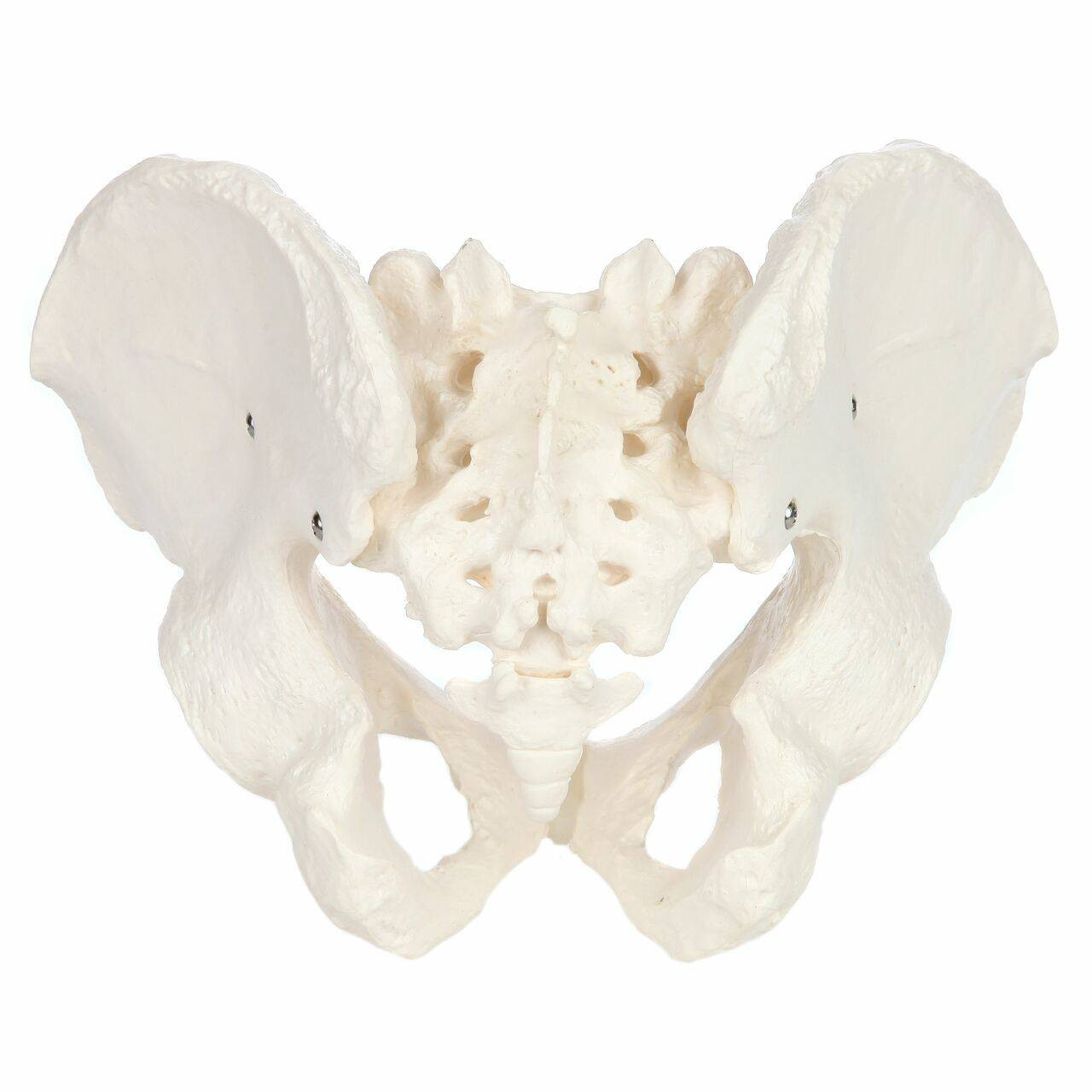
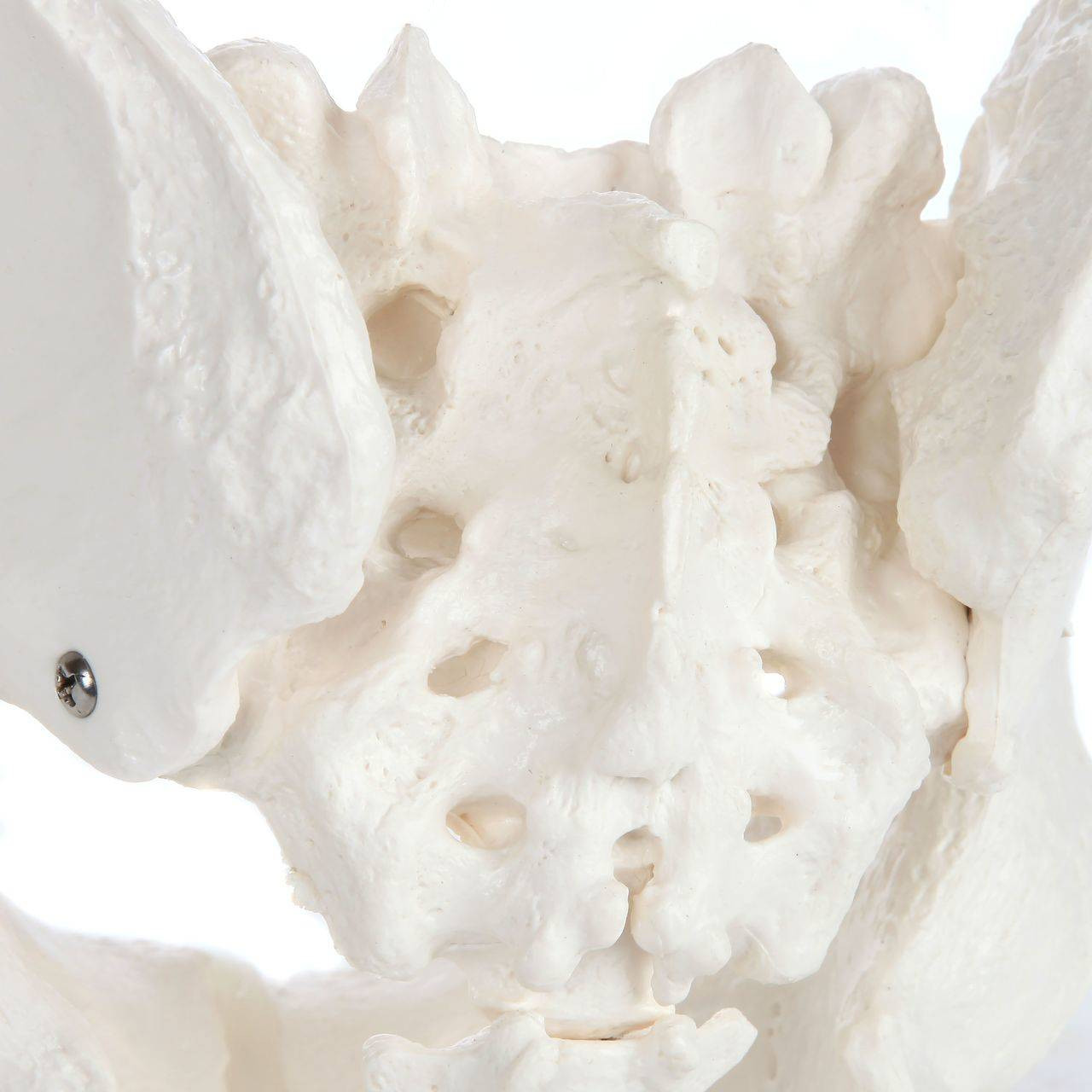
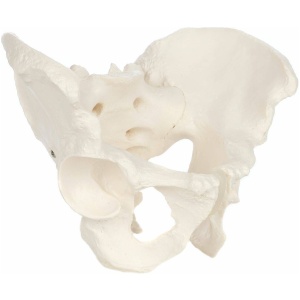
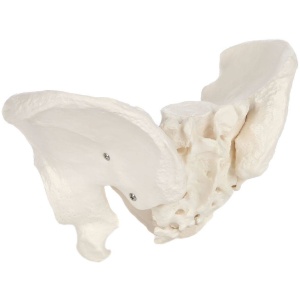
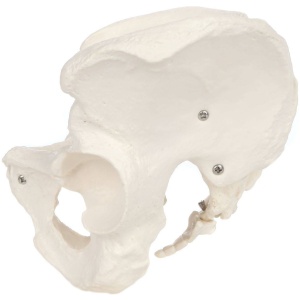
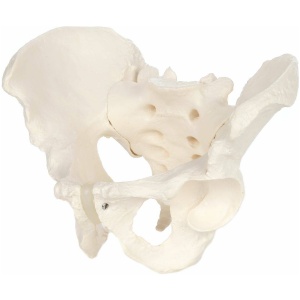
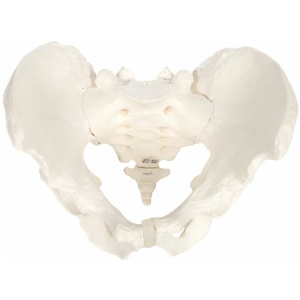
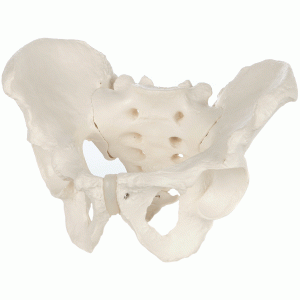
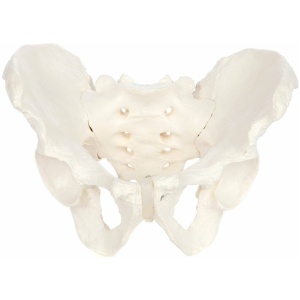
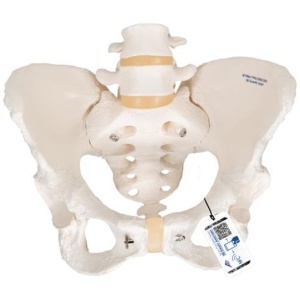
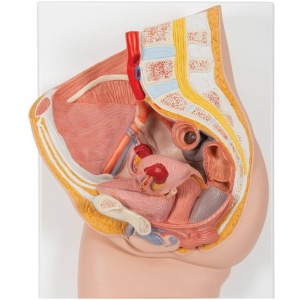
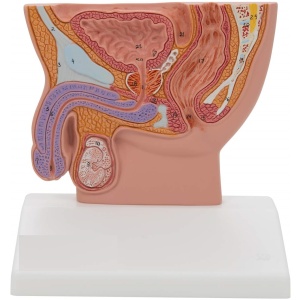
G.D Anatomical Male Pelvis Skeleton Model is an anatomically accurate representation of the male skeletal pelvis. Cast from real human pelvic bones, this pelvic skeleton model is life-sized and provides a detailed study of the male pelvic anatomy.
This articulated model consists of the hip, sacrum, and coccyx to form the complete pelvic girdle. The sacroiliac joint is also presented on the model, located between the hip bone and the sacrum. Aside from the three main bony parts, other anatomical features on the model include parts of the spine, ramus, notches, crest, tubercles, and foramen. G.D. Anatomical skeletal pelvis also includes a detailed study booklet that identifies the 35 anatomical parts on the model.
FEATURES
Life-Size Male Pelvis Skeleton Anatomy Model
G.D. Anatomical Life-Size Male Pelvis Skeleton Model features 35 anatomical parts, including the bones, foramen, fossa, joints, spine, and tubercles. This model provides a complete representation of the skeletal pelvis. The pelvic girdle (consisting of the two hip bones, sacrum, and coccyx) is joined by the sacroiliac joint. The parts of the hip bones (ilium, ischium, and pubis) are even further represented in the model and the accompanying study guide.
Our male pelvis skeleton model is cast from a real human pelvis, with all the bony landmarks present. Foramen, fossa, and nerve pathways in the sacrum are featured for a study of the relationship between the pelvic bones and neural pathways in the area.
Pelvic Girdle
G.D. Anatomical skeletal pelvis model features a complete view of a life-size pelvic girdle. This anatomically correct model of the male pelvis provides an educational resource on the anatomy and roles of the pelvis: to support the weight of the body when sitting, to act as the point of attachment between the limbs and the trunk, and to protect the pelvic organs.
The difference between the greater (false) pelvis and the lesser (true) pelvis can also be studied using our life-size pelvic skeleton model. Bound by the ilium, the larger and superior greater pelvis supports the lower abdominal organs while the lesser pelvis holds the pelvic organs.
Male Pelvis
The male pelvis skeleton model can provide a comparative view of the differences between male and female pelvis. Without the organs, there are other major ways to compare and identify the male pelvis using this model. The pelvic inlet should be closer to being heart-shaped, the lesser pelvic is longer and narrower, and the pelvic outlet is smaller.
Full-Color Detailed Study Guide Booklet & User Guide
G.D. Anatomical Life-Size Male Pelvis Skeleton Model comes with a detailed full-color study guide booklet that identifies the 35 anatomical parts featured on the model. All the bones, crests, spine, notches, foramen, fossa, tubercles, and surfaces on the model are listed and identified in the study guide to be used as an educational resource.
The key anatomical features of the male skeletal pelvic include:
- Hip Bone
- Sacrum
- Coccyx
- Sacroiliac Joint
- Pubis
- Ilium
- Ischium